Athletic Recovery
Hyperbaric Chambers and Post-Workout Recovery
Where a hyperbaric session fits after a hard training session — and the recovery fundamentals it should never replace.
· Hyperbaric Wellness Guide Editorial
The short answer
Hyperbaric sessions are used after training as a quiet, structured recovery block, usually scheduled on hard training days or after competition. They sit alongside tools such as compression, contrast therapy and mobility work. Evidence for accelerated post-workout recovery is mixed, so the fundamentals — sleep, fuelling and load management — remain the priority.
How people schedule sessions
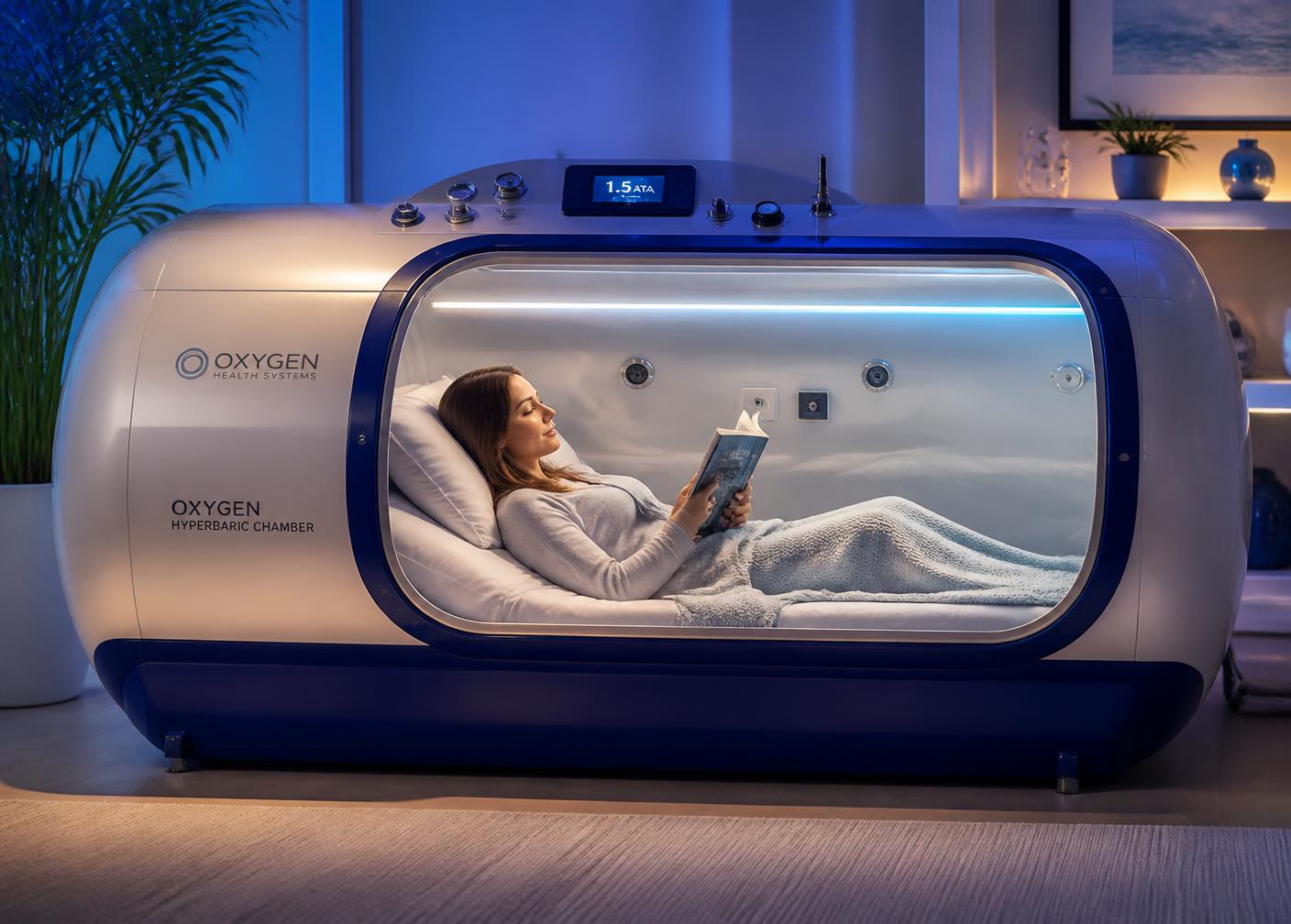
Common patterns include sessions on heavy training days, after long endurance efforts, or during a competition block when training density is highest.
Because a session requires uninterrupted time, many home users treat it as a deliberate rest window rather than something squeezed between tasks.
How it compares with other recovery tools
- Sleep — the single most supported recovery intervention.
- Nutrition and hydration — foundational and inexpensive.
- Load management — the most effective way to avoid recovery debt.
- Hyperbaric, compression, contrast therapy — supportive additions with varying evidence.
Measuring your own response
If you use sessions regularly, track simple markers: sleep quality, perceived readiness, training performance and soreness ratings. Keep other variables as steady as possible.
Self-tracking cannot prove causation, but it does help you decide whether the time investment is worthwhile for you.
When to speak to a professional
If recovery problems persist, or if you are working around an injury, speak with a physiotherapist, sports physician or qualified healthcare professional before adding hyperbaric sessions to your plan.
People also ask
Should you use a chamber before or after training?
Most recovery-focused users schedule sessions after training or on rest days. Follow manufacturer guidance and any professional advice you have received.
Can it replace a rest day?
No. Recovery tools support rest; they do not substitute for adequate sleep and appropriate training load.
Is it useful for weekend athletes?
Active adults use portable chambers in the same way as competitive athletes — as an optional part of a wider routine.
Athletic recovery hub →